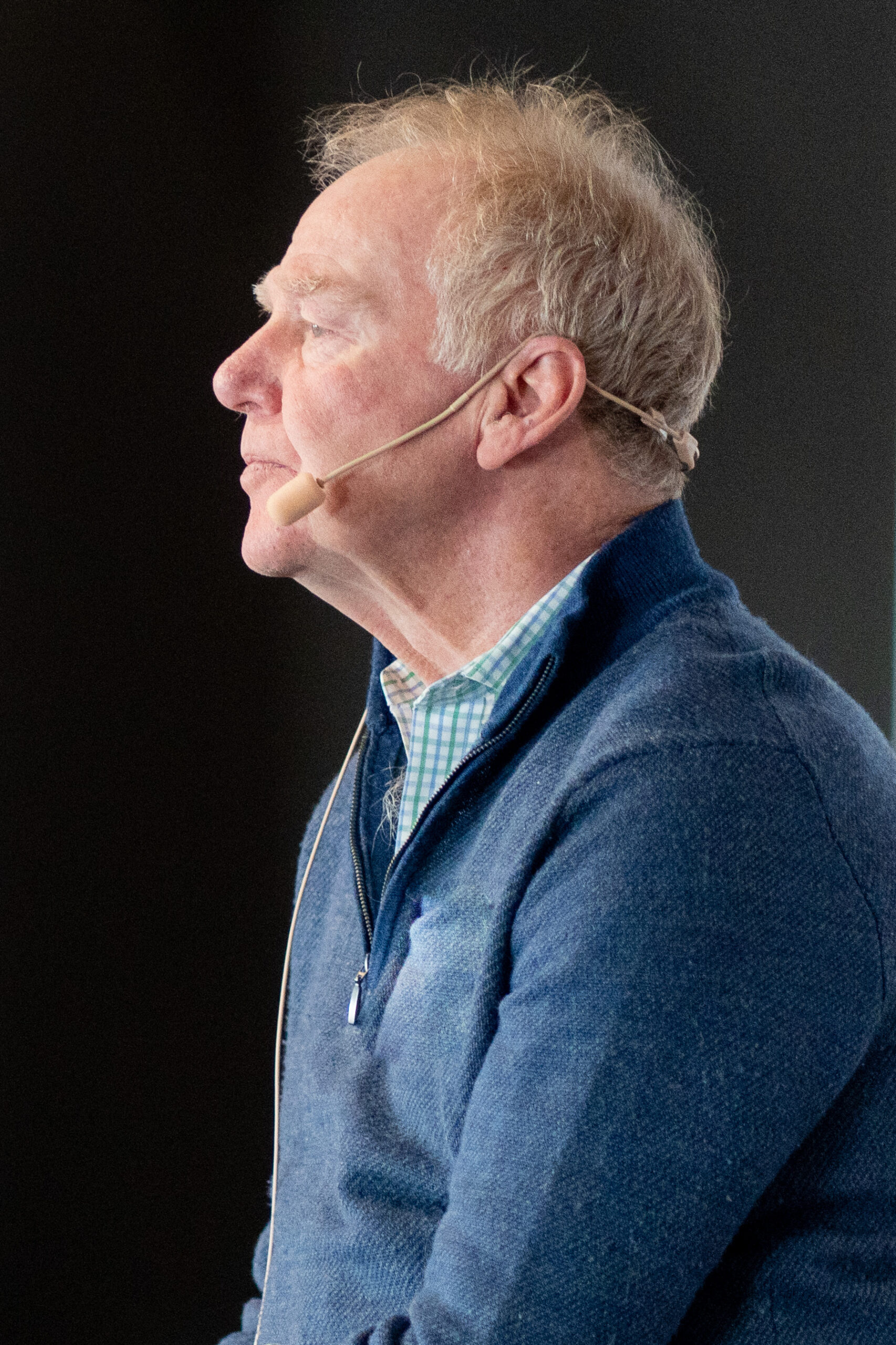
We had the privilege of getting a short chat with the number one system thinker in the world, Peter Senge. Sorry for the background noise. If you want to hear more of him, please join the Leading Complexity program. Hello Peter. For those that don’t know you, who are you? Seems like a simple question
Continue readingCrisp's BlogPage 2
from the Crisp Consultants
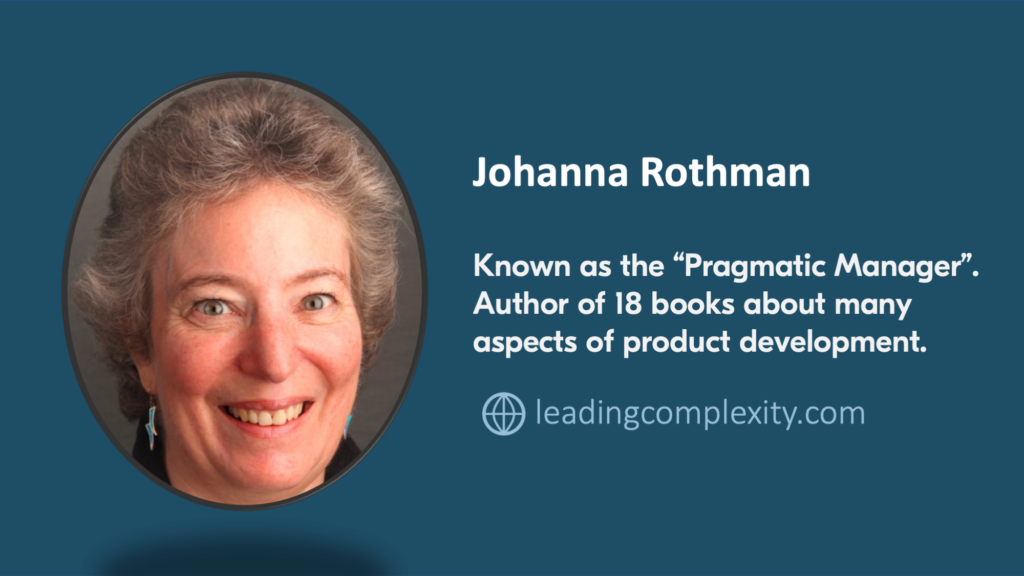
Summary of Johanna Rothman’s session, about the Modern Management Principles, in the Leading Complexity program 2022

Modern management is about positioning yourself to take advantage of complexity. Managers deal with complexity all the time, and management complexity is different from what the teams encounter. In this keynote, our speaker, Johanna Rothman, explores 4 big ideas to adopt modern management practices: define “why” for the organization, create management teams, shorten feedback loops,
Continue reading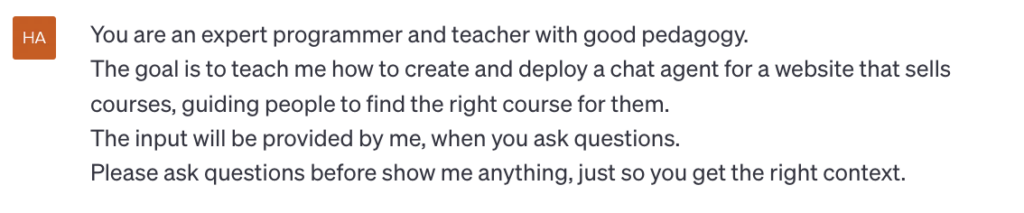
Create Your Personalized Dynamic Tutorial with ChatGPT-4

A Quick and Easy Guide No longer do you need to read static tutorials online! With ChatGPT-4, you can create your own dynamic, personalized tutorial in no time. It’s like sitting next to an expert in the field who answers all your questions as soon as they arise! The Initial Prompt To get the chat
Continue reading
Are developers needed in the Age of AI?

I hesitate a bit to write about this, feels like I’m just jumping on the AI hype train. But something REALLY important is going on, and I want to talk about it. I remember a friend telling me how AI was making incredible progress and might actually make human programming obsolete. I really thought it
Continue reading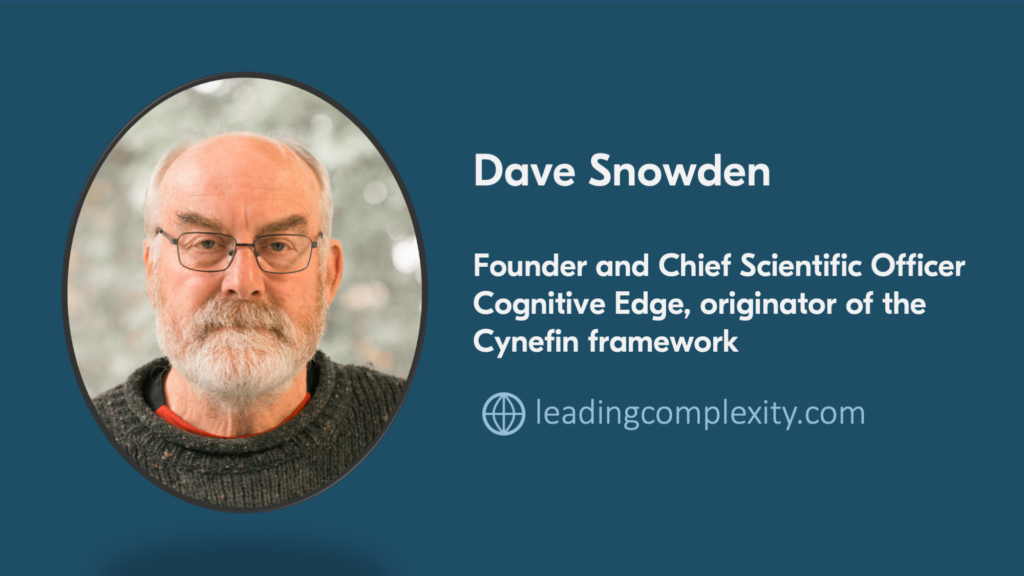
Summary of Dave Snowden’s session in the Leading Complexity program 2022
Dave Snowden, a prominent speaker, delivered a captivating presentation during the 2022 edition of the Leading Complexity program. Here, we present a concise summary of his insightful discourse. To witness his exceptional performance firsthand, we encourage you to participate in this year’s program, granting you access to a wealth of videos from the remarkable 2022
Continue reading Supportärenden vs sprintar
Vi funderar kring hur man ska lägga upp tidsallokering rörande support ärenden i sprintar? En fråga från en kursdeltagare på vår senaste CSPO kurs. Här kommer några snabbt svar. Fokus vs snabbt och lyhört Vi vill ha fokus i sprinten, så att alla jobbar tillsammans mot ett gemensamt mål. Samtidigt vill vi inte låta omvärlden (kunder,
Continue reading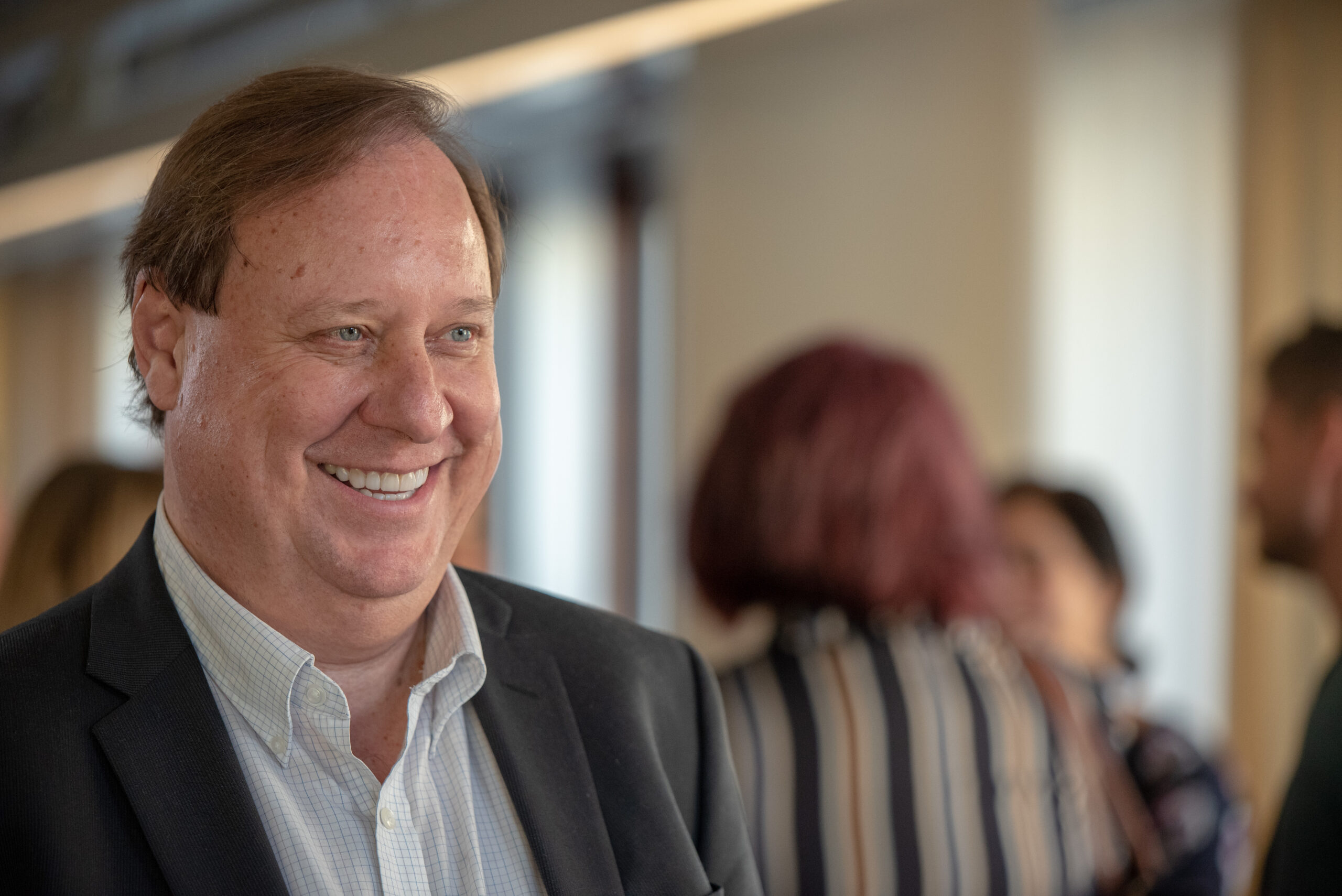
Interview with Doug Kirkpatrick

M: Hi, Doug. Great to have you in the Leading Complexity program for the fall. You have been a guest with Crisp before, but for those who don´t know you, who are you? D: Thanks, Michael. I am Doug Kirkpatrick. I helped start Morningstar over 30 years ago here in Northern California. Morningstar organized around
Continue reading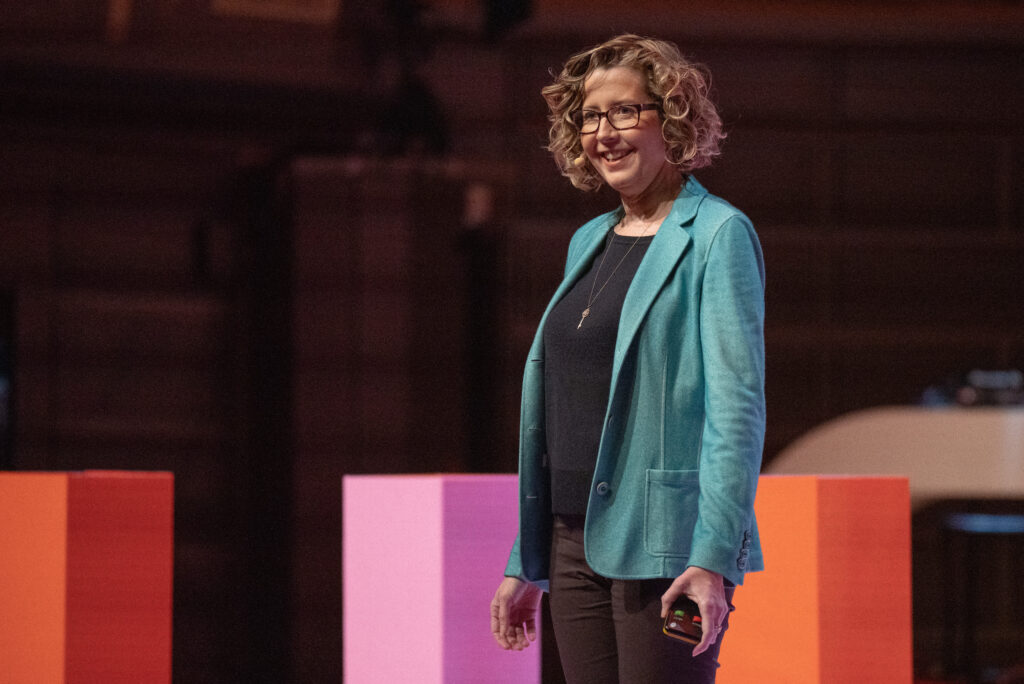
Interview with Jennifer Garvey Berger
Michael: Hello Jennifer, we are so happy to have you in the second season of Leading Complexity! So for those who don’t know you, can you just briefly tell us who you are? Jennifer: Sure, Michael, I’m delighted to be with you for this program. Yeah, so I’m Jennifer Garvey Berger, and I have spent
Continue reading
How to transform to Empowered Product Teams – FAQ #1

Q: How can we get better at throwing away ideas that our teams have already started to develop, but do not see market traction from? In our organization we often miss out on the discovery part of building products. We often have a sense of urgency to get on with it and start to develop
Continue reading
How to do Great Pull Requests

Don’t. Don’t do Pull Requests. But if you have to, continue reading. Have you ever been ambushed by a Pull Request? It’s happened a lot to me. There’s a Pull Request on some software that you and your team are responsible for, and before you start reading all the changes, you’ve no idea what it
Continue reading
The Easy Guide to Quick Agile Transformations™ or How to Get Rid of Half of Your Problems

Agile transformations can be very laborious and expensive in terms of time and money. What if I told you that you can short-circuit the process and perform your transformation in the blink of an eye? Did I get your attention? Keep reading. Agile transformations are simple, so I can think of only three reasons for
Continue reading
Summary of Joe Justice’s session, about Tesla’s “Agile DNA”, in the Leading Complexity program 2022
Tesla. We’ve all heard of this innovative brand changing the automotive industry in the last decade. But how can one run a company that’s at the forefront of technological progress? To help us understand this and more, we asked Joe Justice to be part of the Leading Complexity program. In short, this is what he
Continue reading
Summary of Henrik Kniberg’s session, about his thoughts On The Spotify Model, in the Leading Complexity program 2022
The Spotify Model. You have probably heard the term. But how did it come to life? How did it become a “thing”? What are the principles behind it? What happens when companies copy it? Should you copy it? To kick off this series of summaries of the Leading Complexity program, we focus on Henrik Kniberg’s
Continue reading
Leadership as an investment in the digital age (slides)

I had the pleasure to run a presentation for company leaders @ Åland on Leadership in the digital age. In the presentation : I want to credit to Roland Granlund for showing me and living – Leadership as an investment. Download the slides here.
Continue reading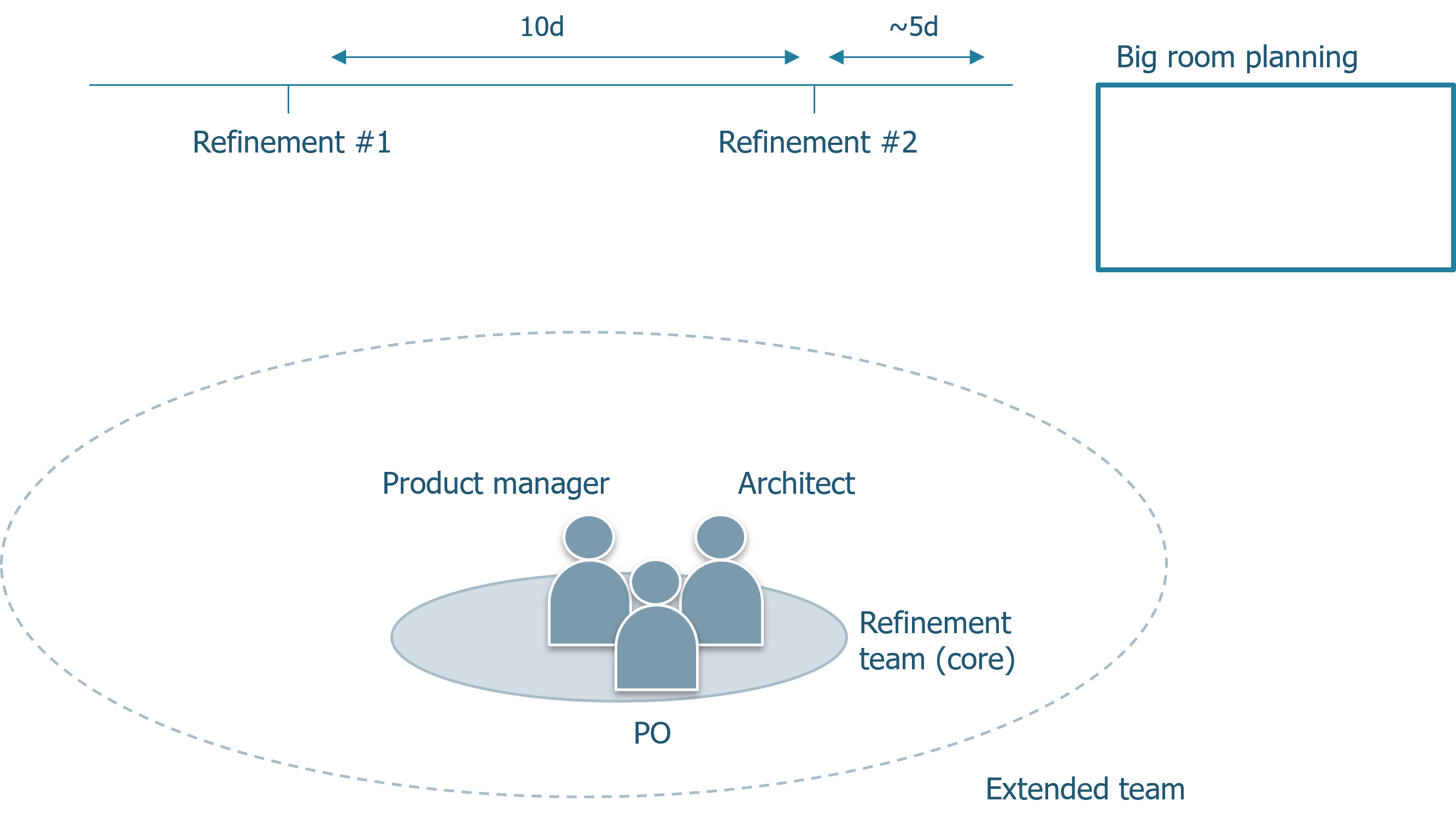
Refinement – preparations for big room planning
If you are running some kind of big room planning pulse, the preparation you put in is half the success. The last thing you want to do is to round up 10 senior team members and turn up with a feature described solely by a one-liner “next gen product”. Scenario Before I go into details
Continue reading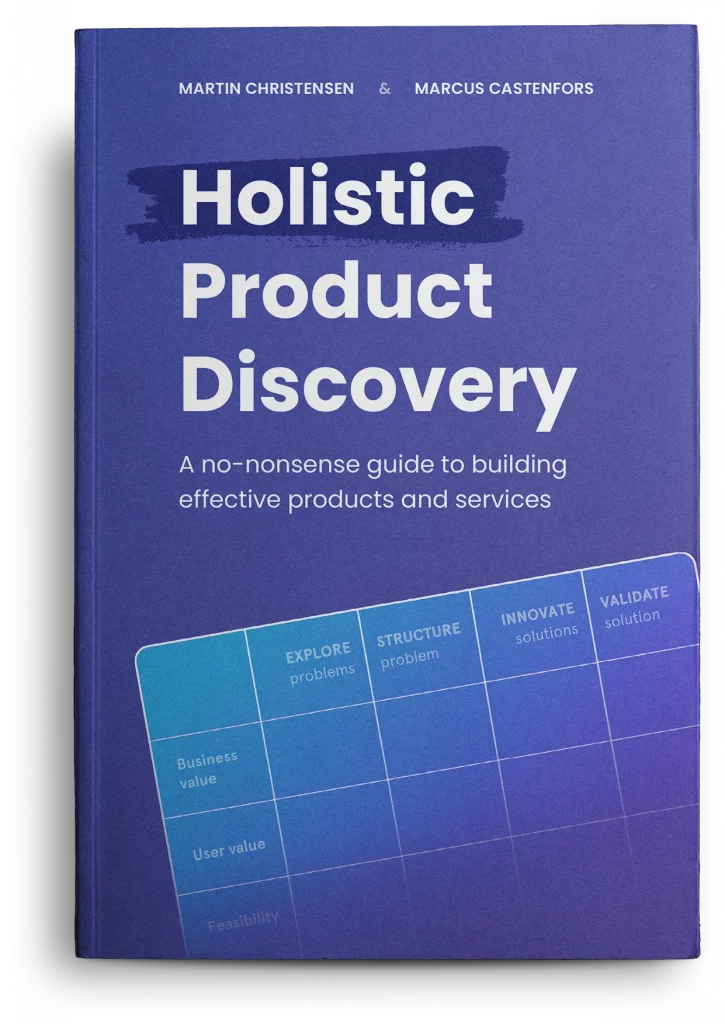
Sneak peek of the Holistic Product Discovery book: “Building the wrong product”

The following is an excerpt from the recently released book by Martin Christensen and me titled Holistic Product Discovery. It’s been a 3-year journey that started with a 20-page draft. Numerous iterations later, here we are. Thank you to the fantastic community of readers for your invaluable feedback. Let’s begin. A story about a product
Continue reading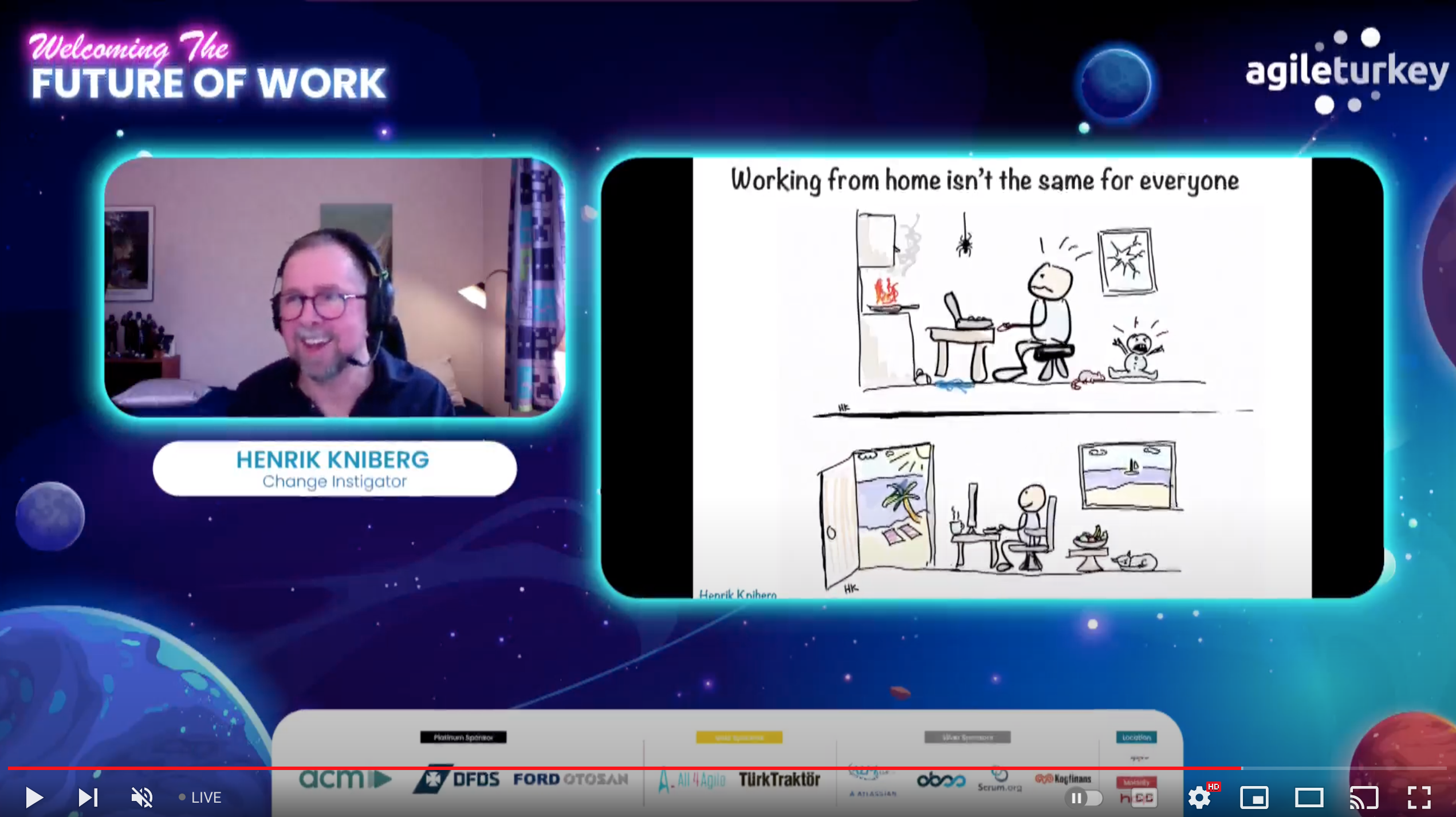
Are distributed teams the new normal? Slides from my Agile Turkey talk.
Here are the slides for my Agile Turkey summit talk “Are distributed teams the new normal?”. Might write an article about this, the topic feels very relevant these days 🙂 Some sample slides:
Continue reading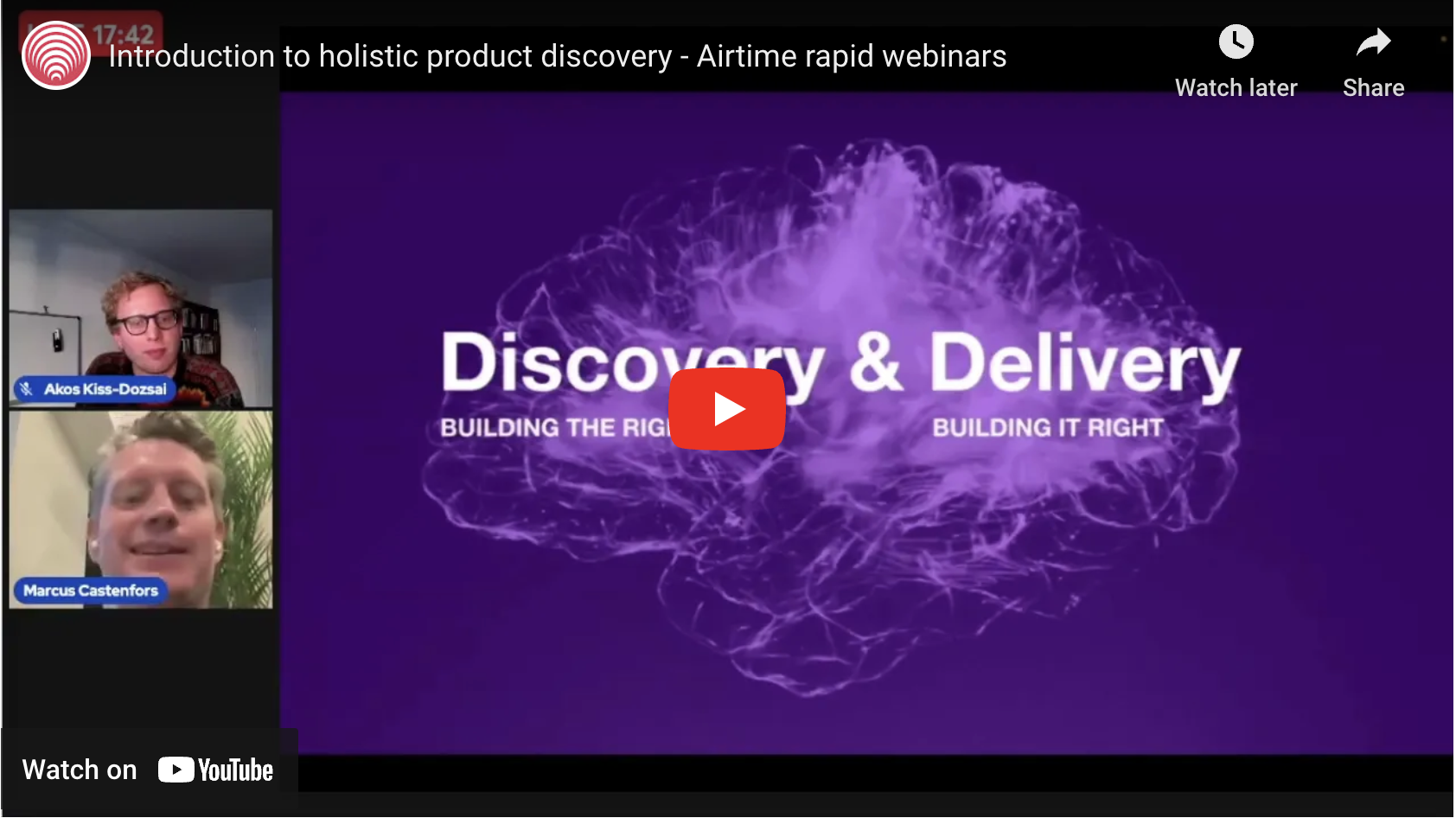
An intro to Holistic Product Discovery
This week I presented the Holistic Product Discovery framework at an Airtime webinar hosted by its CEO Akos Kiss-Dozsai. Here are some concepts that I went through: Some uncomfortable statistics relating to product development Principles that could help you in Product Discovery The Holistic Product Discovery framework A risk mapping technique to kick off Product
Continue reading
Advice to become ready for a transformation
How to prepare and align as a leadership team for a major change in your organization
You are a senior leader in your organization, and you are facing some challenges. You have had that slow hunch for some time now that there are plenty of things that are just not right. Things beyond just individual isolated problems. People in your organization often bring up small things that should be looked at because they seem to be connected to plenty of recurring friction points in several places that hold people back.
You have also come to realize that there are a few big things we have to change to really tap into our potential. If we don’t, our goals may never come within reach. Maybe even worse, we may risk losing ground.
You feel you share this view with some of your colleagues on your senior leadership team. But you are not certain to what extent they see what you see and how they would explain what needs to change.
You want to take the initiative, but you are not sure about how.
How do we know if we are ready to start a major change effort, and what do we need to do to get there if more work is needed?

Interview with Stephen Bungay about Leading Complexity

Watch the video on our LinkedIn page. Hello Stephen Bungay. How nice to have you in the Leading Complexity program. For those who don’t know you, who are you? When I started my business career in the early 1990s at the Boston Consulting Group, I spent close to 20 years there. End then I left
Continue reading Interview with Henrik Kniberg about Leading Complexity
View the video at our LinkedIn post. Hello Henrik Kniberg. It’s very nice to have you in the Leading complexity program. For those that don’t know you, how would you introduce yourself? I’m a Swedish dude who is a coach and a software developer. I have worked at Spotify, Lego, and Mojang. I had a
Continue reading
This might just be the highest leverage Product Discovery activity that your team can do
“Where do we start?” is a recurring question that Martin Christensen and I receive when we run Product Discovery training. A fundamental challenge with Product Discovery is that there is no right way, no silver bullet, and no perfect process, which means that teams need to pick the right tool for the right situation. But
Continue reading
Interview with Dave Snowden about Leading Complexity
Watch the video (5 min) in our LinkedIn post.
– Hi Dave. Good to see you again. For those who don´t know you. Just briefly, who are you?
– Dave Snowden. I run the Cynefin center. And that focus on the application of Natural Science to social systems.
– So why should leaders care about complexity?
– Complexity just is. So complex adaptive systems are an integral part of the world, and they deal with systems where you can’t plan specific goals. It is what we sometimes call the unknowable, unknowables. So basically, a complex system is deeply entangled, it’s highly uncertain, it’s the reality of the world we live in, and then we have to learn to manage in it. But most of our management tools were not designed for it.

Interview with Mary Poppendieck about Leading Complexity
Watch the video in our LinkedIn post. For those who don’t know you, can you quickly introduce yourselves? Tom and I are authors of four books on software development and managing software development, bringing lean concepts into the whole process of managing software development. Before that, we had many many decades of experience actually writing
Continue reading
Interview with Bjarte Bogsnes about leading complexity
Watch the video in our LinkedIn post. Hello Bjarte. We are so happy to have you in our Leading Complexity program. For those who have not met you, can you tell us about who you are and your background? I’m a finance guy by education but have also worked in human resources. I work with
Continue reading
Interview with Johanna Rothman about leading complexity
See the video in our LinkedIn post. Welcome to the Leading Complexity program, Johanna. Please let the audience better know who you are. People know me as the pragmatic manager because that’s the name of my monthly newsletter and it’s also what I do. I really believe that management has a role to play –
Continue reading Agile Contracting in Banking using Lean/Agile procurement
In this case story, Rivo shares how Lean/Agile procurement was used to procure a complex solution in banking, in the matter of weeks not years. psst: Interesting to learn how to put it to use? Join our class in May.
Continue reading
Slides: A story of getting better on Alignment
I recently was asked to do a presentation of how companies approach alignment in Agile settings. Where most companies normally put considerable effort putting some alignment framework in place, the really good ones improve this iteratively, matching the process, removing bureaucracy – so it matches the competence level over time. In this presentation I share
Continue reading
Agile Islands 2021 – Slides
Agile Islands had several interesting sessions this year again. For you who haven’t seen this conference, please do! This poses a (positive) challenge to me as speaker, “how the heck do I make my session interesting enough so people stay!” This year I was asked to do an introduction to Agile for people outside IT
Continue reading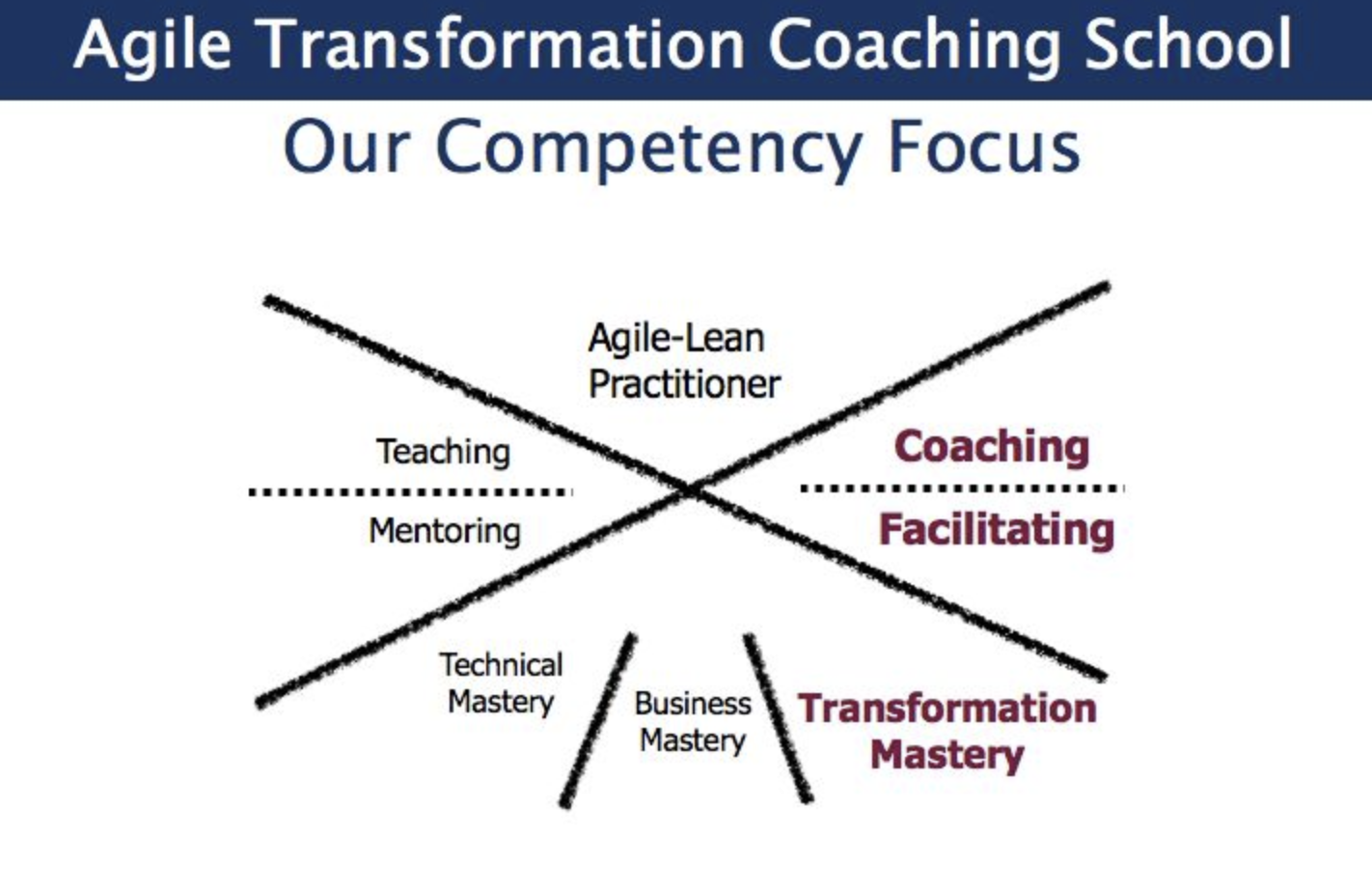
Why Professional Coaching matters to an Agile Coach

Professional coaching is one of the four stances of an Agile Coach, and the reason for the word “Coach” in Agile Coach. But yet we see so many misconceptions of what professional coaching is and when to use it. I was recently involved in a couple of discussions about this on LinkedIn, and was surprised that apparently many Agile Coaches still don’t really know what professional coaching is. Here’s why it matters to an Agile Coach.
Continue reading