It was tense. A long list had been shared. Big features to build, new markets to launch. You could feel the built-up tension in the room. In the past, there had been a lot of friction. Voices were raised. Names were called. The situation was at a standstill. They needed someone, an outsider, to appease
Continue readingCrisp's Blog
from the Crisp Consultants
The Discovery Illness

When helping teams and companies shift towards the product model, one of the key concepts introduced is practicing product discovery. Prior to this shift, a typical scenario starts with a stakeholder—someone up top—sharing detailed requirements on what to build. This approach leaves the so-called “feature team” with very limited opportunity to influence the solution. Now,
Continue reading
How to transform to Empowered Product Teams – FAQ #4

A few days ago I was asked an interesting question by a product team coach at a new client that I want to share with you. Q: – What can I do to help my team practice discovery? I understand it for customer experience facing teams, but my team is an enabling platform team. What
Continue reading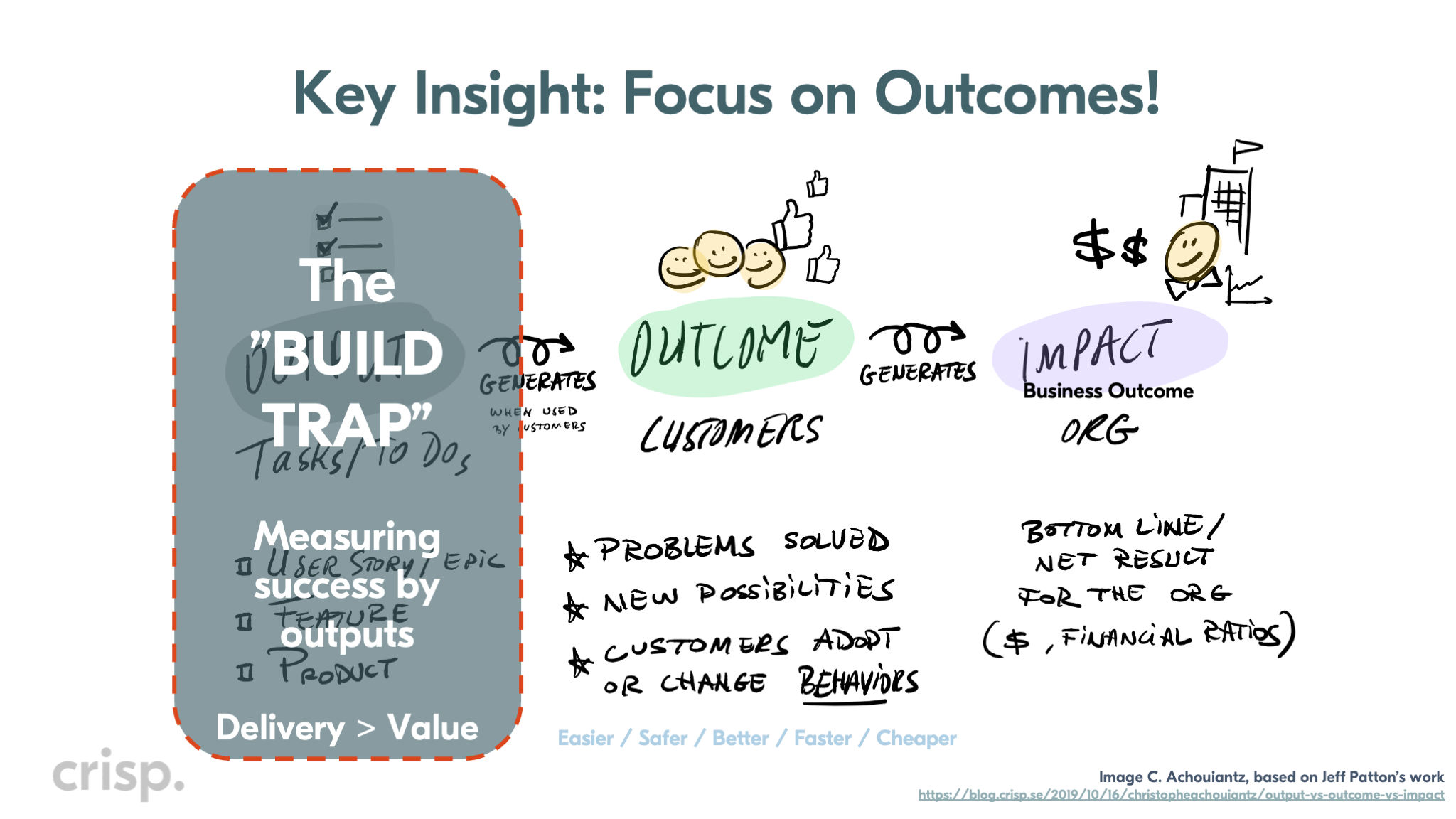
The Key Insight and Core Idea Powering the Product Model

Dive into the Product Model’s key insights (focus on outcomes), and core idea (the empowered engineer) to re-invent your teams to become Empowered Teams.
Continue reading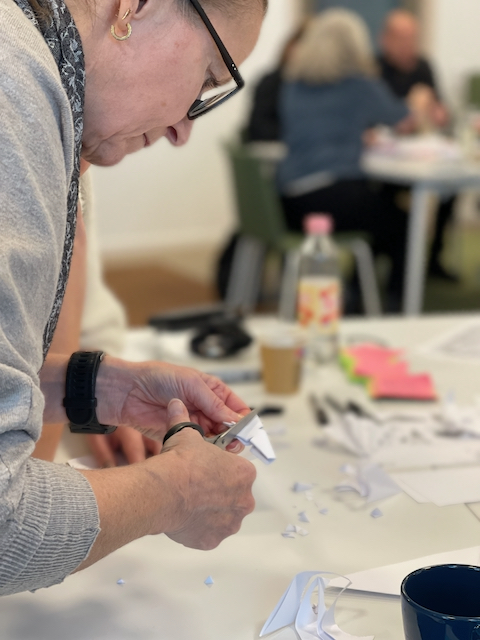
Remote Training Tip: Combining Quote Factory with Snow Flakes

Even though the trend right now is that more and more return to the classrooms for in-person training, remote training sessions are for sure not gone. One challenge in remote trainings are energizing and thought provoking exercises, where participants can get a feel for theoretical concepts. Crisp is fairly well known for its abundance of
Continue reading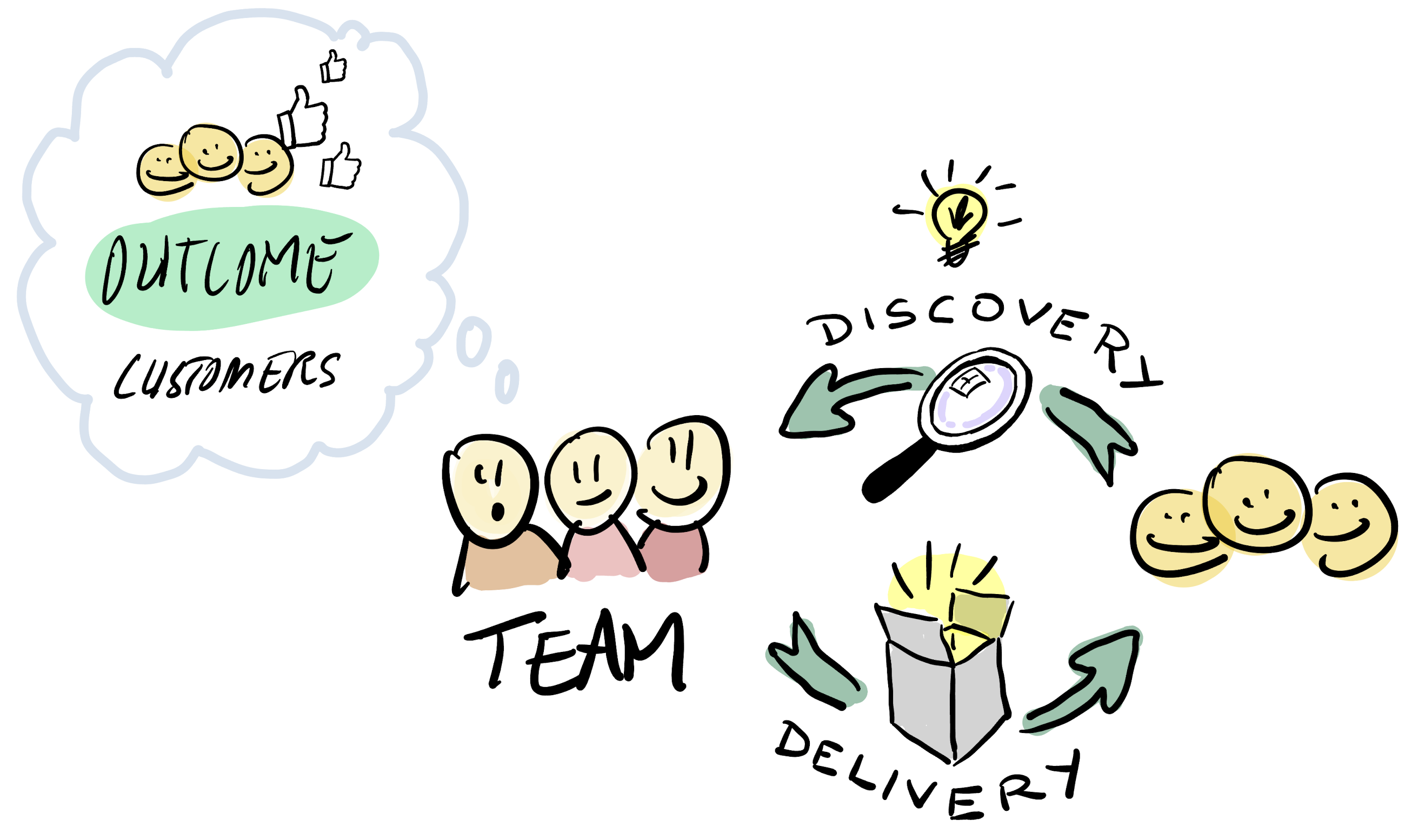
The Product Model Decoded: Building Product-Led Organizations
Dive into the essence of the Product Model, a transformative approach embraced by leading companies for consistent innovation at speed. Explore how this model, codified and championed by industry thought leaders, empowers teams, accelerates innovation, and reshapes organizational success in our dynamic, VUCA world.
Continue reading
Simple Workflow for Midjourney + ChatGPT

Jag är ingen fotograf eller van skapare av bilder men har alltid gillat bra foton när jag ser dem. Utan att riktigt förstå varför de ser bra ut eller ej. När jag försöker generera bilder med DALL·E 3 eller Midjourney så blir det alltid bara så där och är väldigt frustrerande! Men nu har jag
Continue reading
The Product Model at Spotify

Joakim’s Note: Spotify is an exceptional company, the best I’ve ever worked for. When I left the company after more than six years, I wanted to help other companies become more like Spotify. However, I didn’t believe companies could merely copy the organizational structures of tribes, chapters, and squads that have come to be known
Continue reading How to transform to Empowered Product Teams – FAQ #3
Q: For years now our technical architecture and platform have limited us to use component teams. We are excited by empowered product teams, but because of this setup we experience barriers to getting started. What can we do to change this? Each of our teams is typically responsible for one or a few modules in
Continue reading
The story about rice that made me understand great leadership

Within the leadership philosophy of “Intent-Based Leadership,” there is a saying that goes: “Create leaders, not followers.” It sounds great, and no one would argue against it, but do you really understand what it means? I didn’t, until I heard a story that I will now share with you. It all began when my colleague
Continue reading
Stubborn on vision and flexible on details: how to facilitate a Product Vision Sprint
Where are we heading? What’s the future going to look like for our product? Let’s pause here. There is a sad truth. Most companies don’t answer these questions in a meaningful way. Being fortunate to meet many diverse companies in the world, the top struggle is direction. Commonly, talking to individual contributors, managers, and senior
Continue reading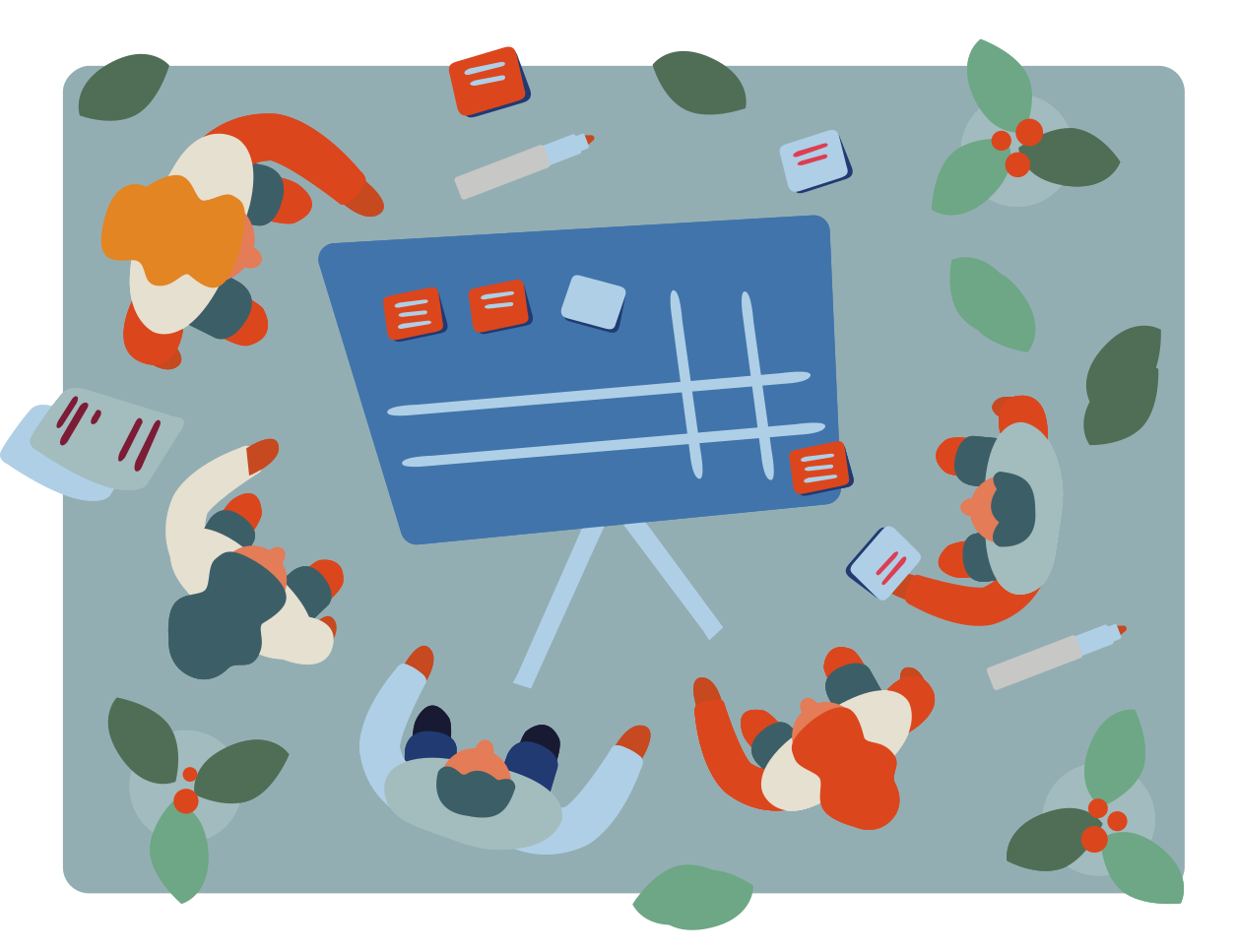
Getting Started Guide for ChatGPT
Feeling overwhelmed by the possibilities of conversational AI? This guide serves as your initial stepping stone, simplifying the art of prompt crafting to help you get off to a strong start. Basic – Start here Prerequisite: You need ChatGPT plus for this tutorial to work. The free version of ChatGPT is not good enough (and
Continue reading
Jennifer Garvey Berger – Complexity Genius summary

First out in our second season of the Leading Complexity Program was the fantastic Jennifer Garvey Berger. She did an amazing job of framing the whole program and connecting the participants with each other. Jennifer explained how we all experience complexity in our daily lives. She started with a question: How do you experience complex
Continue reading
Interview with Simon Wardley

We proudly present Simon Wardley, one of this year’s teachers, in our Leading Complexity Program starting September 2023. Here is a summary of the interview below. M: Hi, Simon. It’s great to have you on the program this year. Could you briefly say who you are for those who don’t know you? S: I am
Continue reading
Bill Fischer and the Dynamics of Haier’s Entrepreneurial Ecosystem
In a session for the Leading Complexity Program 2022, Bill Fischer shared his knowledge about Haier’s Entrepreneurial Ecosystem and RenDanHeYi, the culture behind it. Here is a summary of the session. If you want to see the recording of the session, please sign up for this year’s program. Here are some insights: In this session,
Continue reading How to transform to Empowered Product Teams – FAQ #2
Q: What is the best way to get customers and empowered teams closer so they could understand each other? And keep up with it so it is not a one time thing. In our organization we have done a few experiments with customers, but we have been struggling to make it a regular and deliberate
Continue reading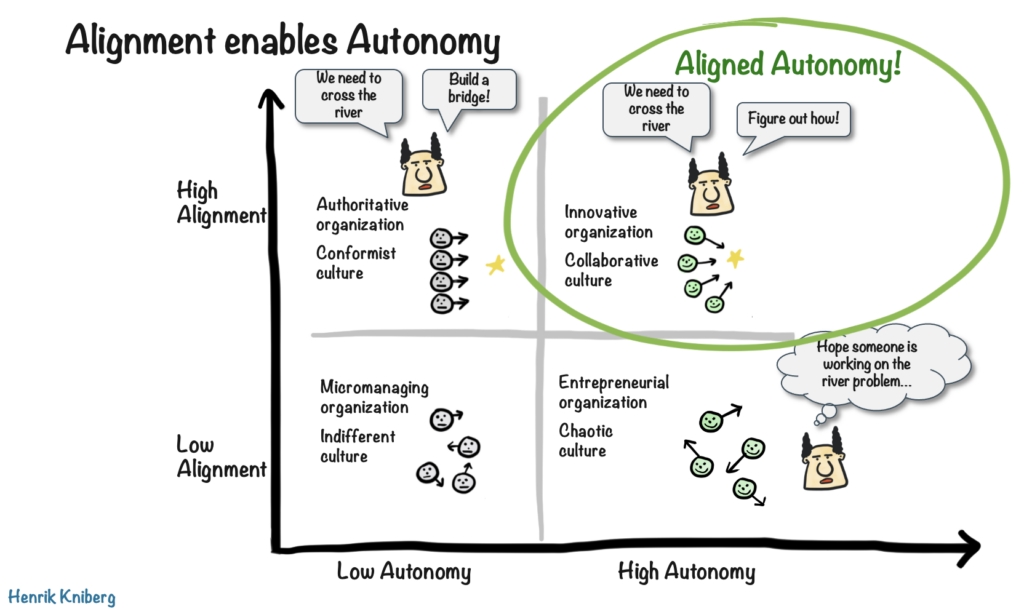
Agile intro – slides from my KTH talk

Did my yearly agile intro talk at KTH today (Royal Institute of Technology). Here are the slides.Always enjoy meeting the students and sharing insights & experiences! Some sample slides below.
Continue reading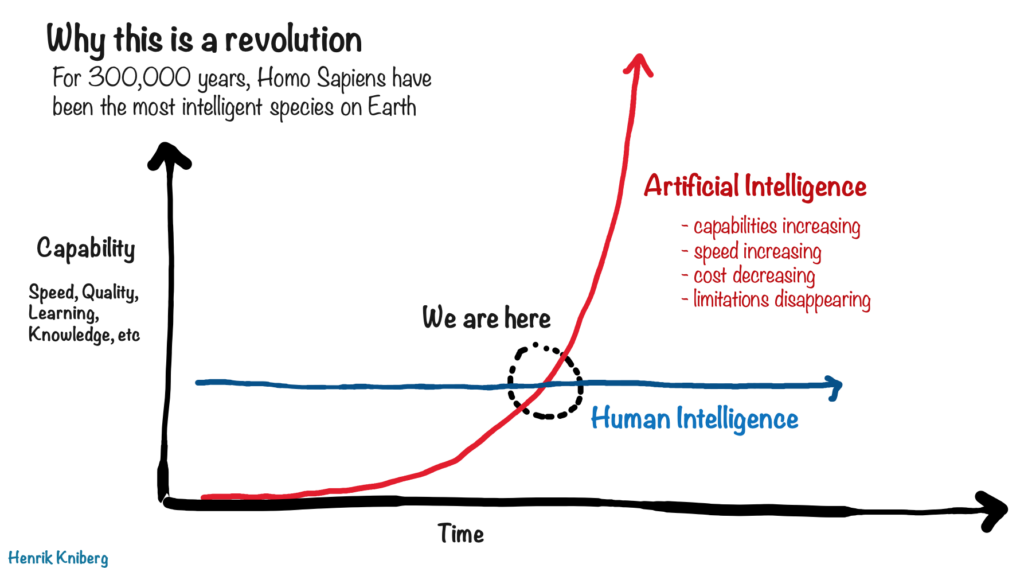
The Age of AI is here – now what? (my slides from Crisp Day)
Here are the slides from my keynote “The Age of AI is here – now what?”, from Crisp Day 2023. There more I use this technology, the more clear it is to me that organizations need to deeply understand and apply this technology on a daily basis, or they will be unable to compete with
Continue reading
Interview with John Cutler on Navigating the Everyday (Beautiful) Mess
We talked to John Cutler, one of our master class teachers in this year’s leading complexity program. John has a background in product management and UX, and is a Senior Director of Product Enablement at Toast. We discussed “complexity,” What it is, what the implications are for leaders today, and the topics of his talk:
Continue reading
Interview with Matthew Skelton co-author of “Team Topologies”
I had the great pleasure of meeting Matthew Skelton for an interview about his view on complexity. In this interview, Matthew discusses the different types of complexity and how leaders can maneuver in complex environments. He also talks about the Team Topologies framework, which is a tool that can help organizations become more adaptable to
Continue reading
Interview with Lyssa Adkins
Hear Lyssa Adkins, author of the legendary book “Coaching Agile Teams”, talk about complexity and the importance for leaders to upgrade, downgrade and expand. A short summary of the interview Lyssa Adkins, an experienced Agile coach, has shifted her focus to leadership development and effective leadership team functioning. In the interview, she discusses adapting to
Continue reading
Sonja Blignaut – Leading in Complexity by Curating Context
Throughout the Leading Complexity program, we have had the opportunity to learn from the best thinkers in leadership and complexity. One of them Sonja Blignaut. As a meteorologist, she has a fascinating natural sciences background, giving her a unique perspective on human systems. In her session, she shared some of her latest thinking, which she
Continue reading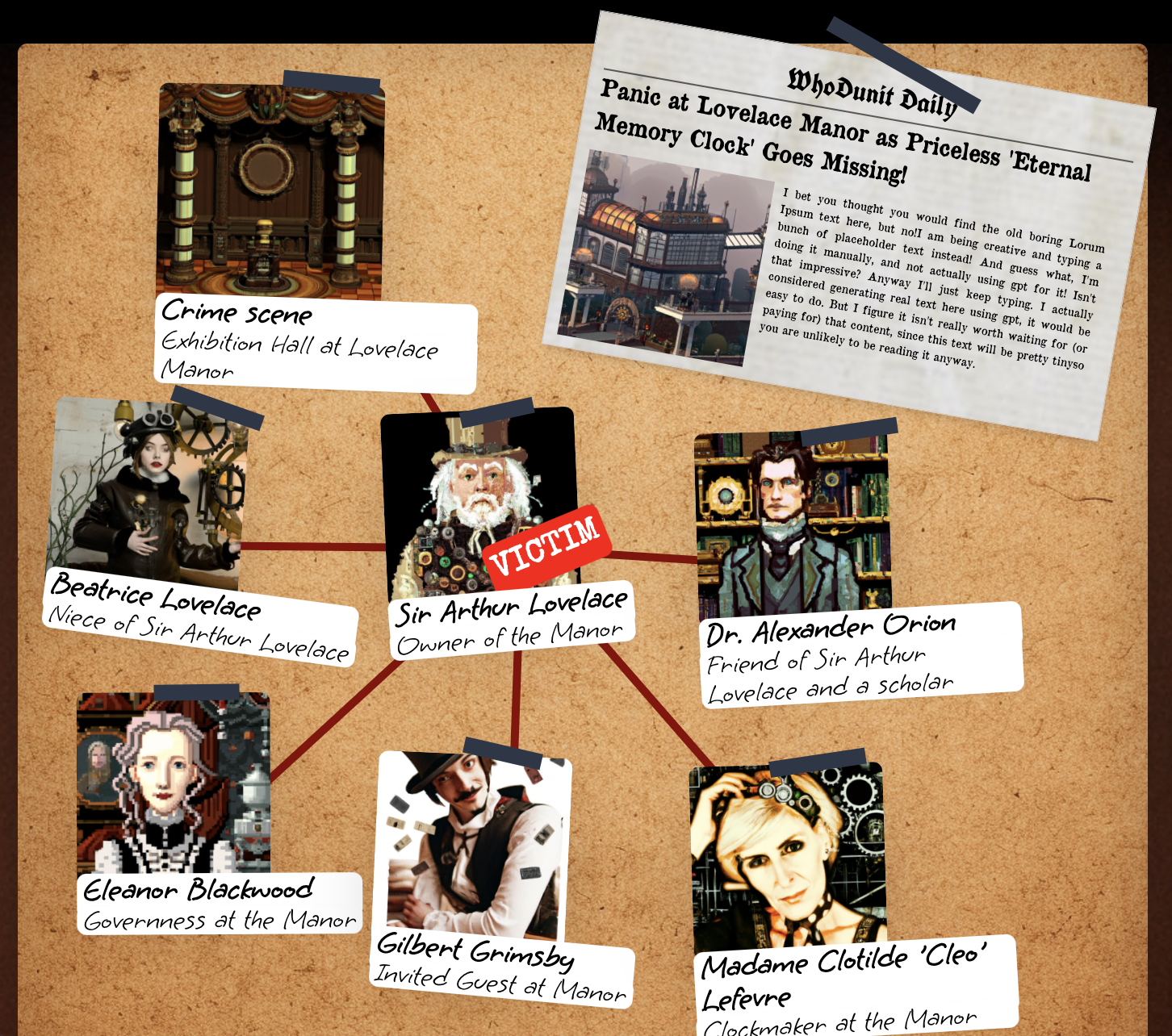
WhoDunit – AI game development on steroids
(Here is a video version of this article) I made a little game called WhoDunit, a detective roleplaying game. Feel free to try it at whodunit.kniberg.com. This started as an experiment in how far I could go with AI in game development. In fact, the game is entirely based on AI and would not be
Continue reading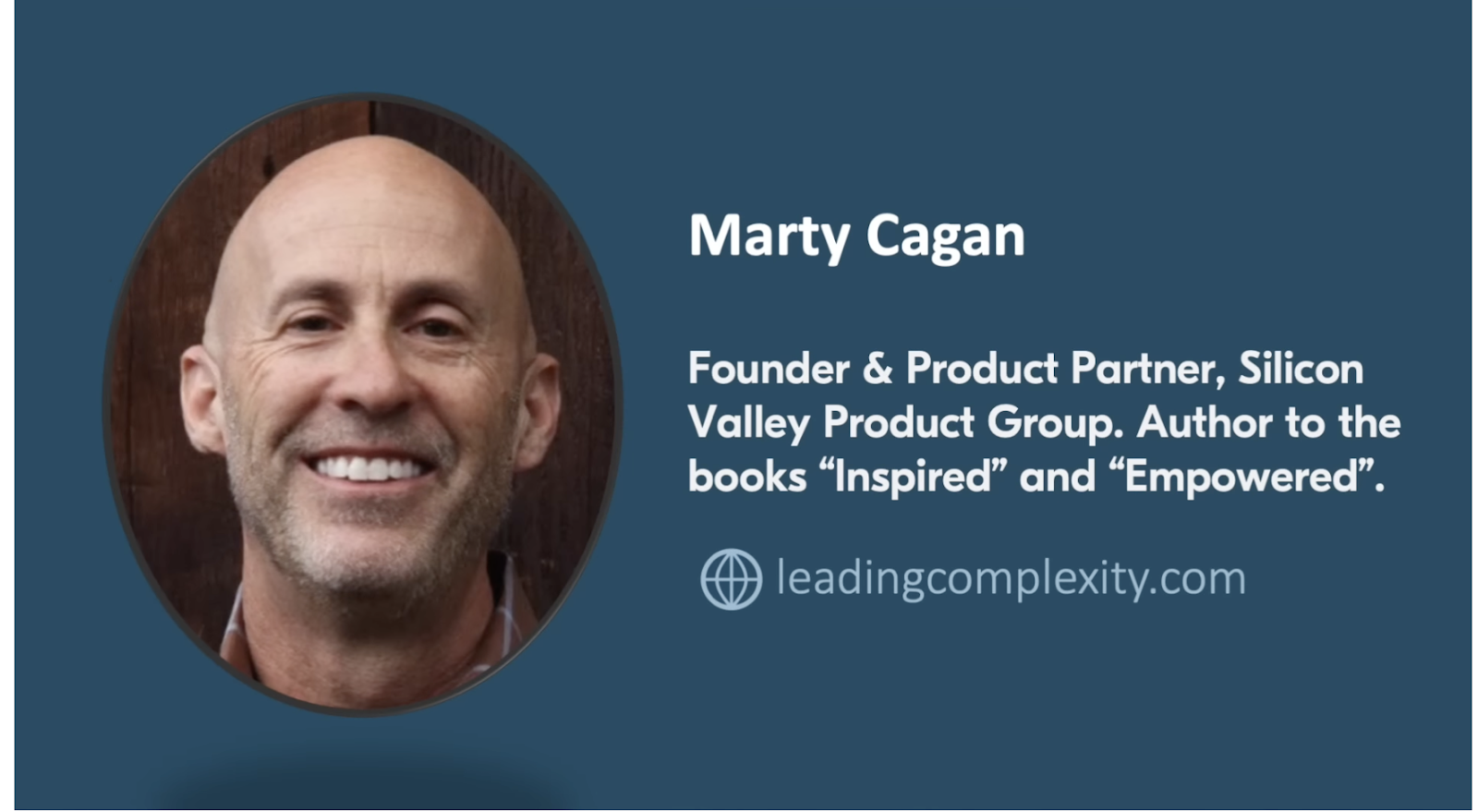
Marty Cagan and Leading with Context not Control
Summary of Marty Cagan’s session in the Leading Complexity Program 2022. Marty Cagan, a renowned product management expert, and author, is another eye-opener Leading Complexity keynote speaker. In his session, he shares his insights on the importance of first principles, thinking, talking, and coaching in the product development process. Drawing from examples of successful companies,
Continue reading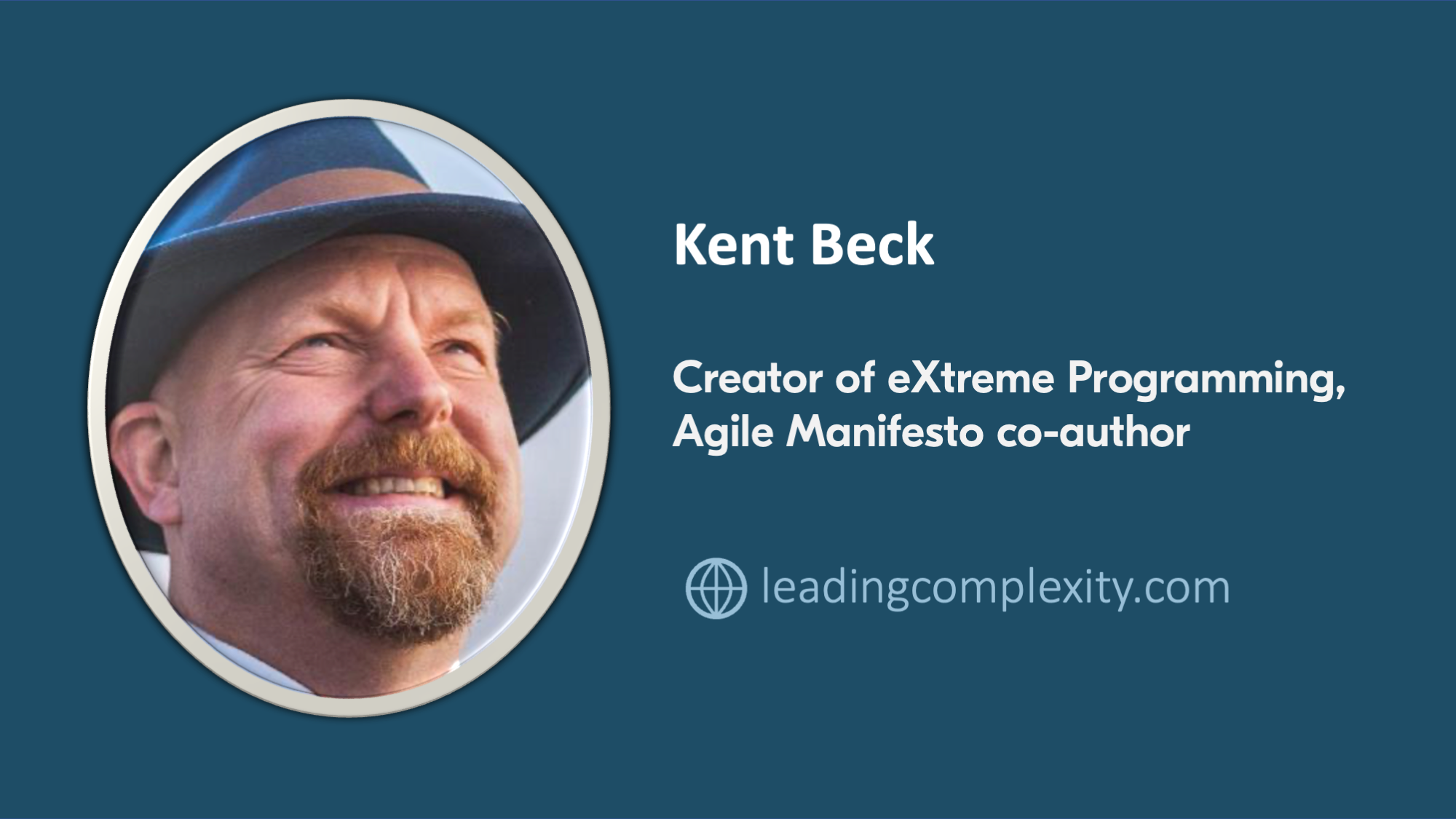
Interview with Kent Beck
In this year’s edition of the Leading Complexity program, we are privileged to welcome Kent Beck, the mastermind behind eXtreme Programming and a distinguished signatory of the Agile Manifesto. Dive into our interview with Kent as he shares insights on navigating complexity and offers invaluable guidance on addressing it. Summary of the video below The
Continue reading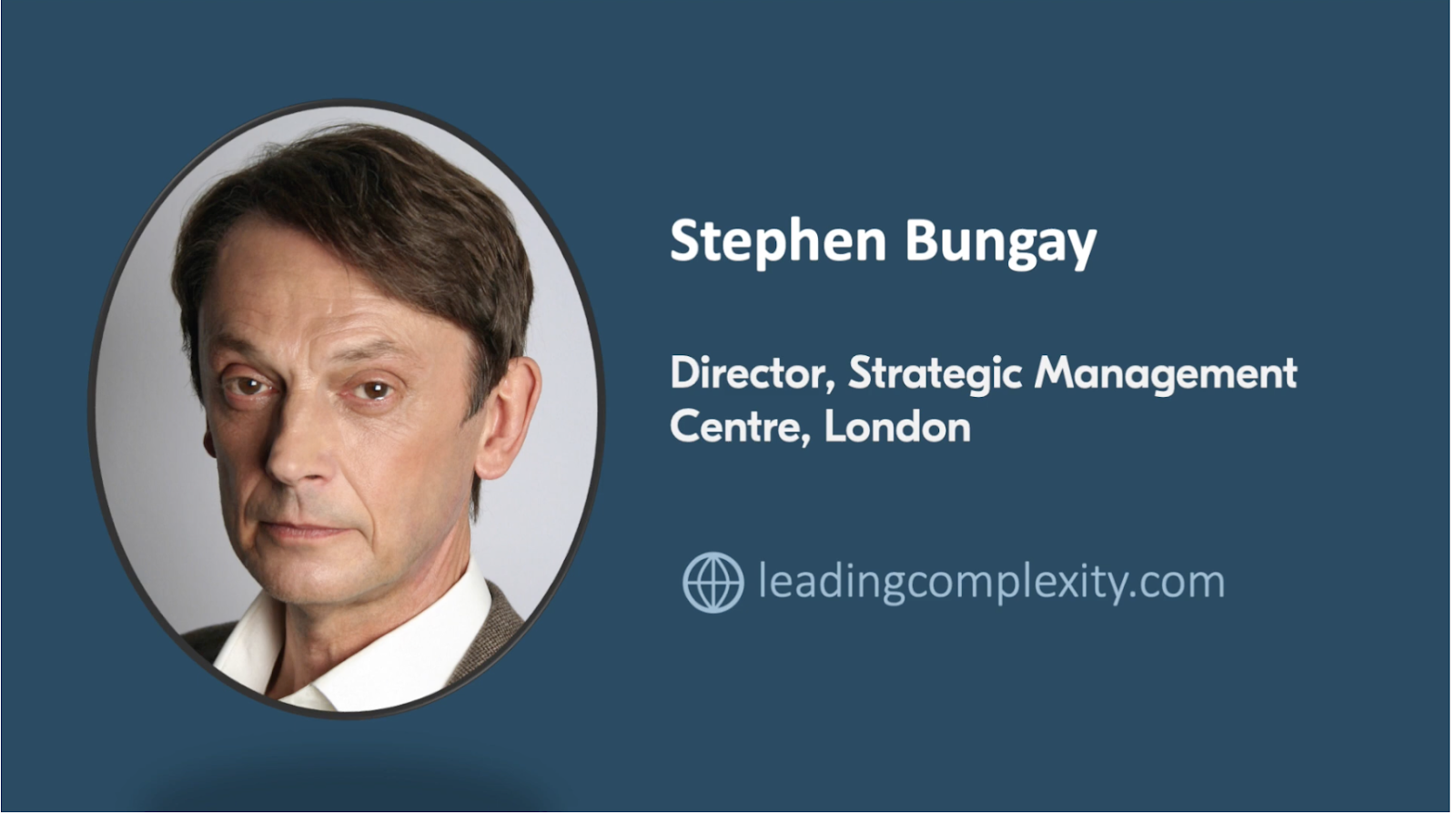
Stephen Bungay and the Art of Leadership
Summary of Stephen Bungay’s session in the Leading Complexity Program 2022. Leadership and direction setting are essential components of any successful business strategy. One of the very best thought leaders on business strategy that is well familiar to Crisp is one of last year’s Leading Complexity keynote speakers Stephen Bungay. Not only is he an
Continue reading
The impact of value creation using AI

Over the past year, there have been significant advancements in the field of AI, leading to an increased interest in working with AI technologies. Videos and posts showcasing AI’s ability to create perfect images, respond intelligently to questions, or speak like a human being have spread widely. But amidst all this novelty, it’s worth pausing
Continue reading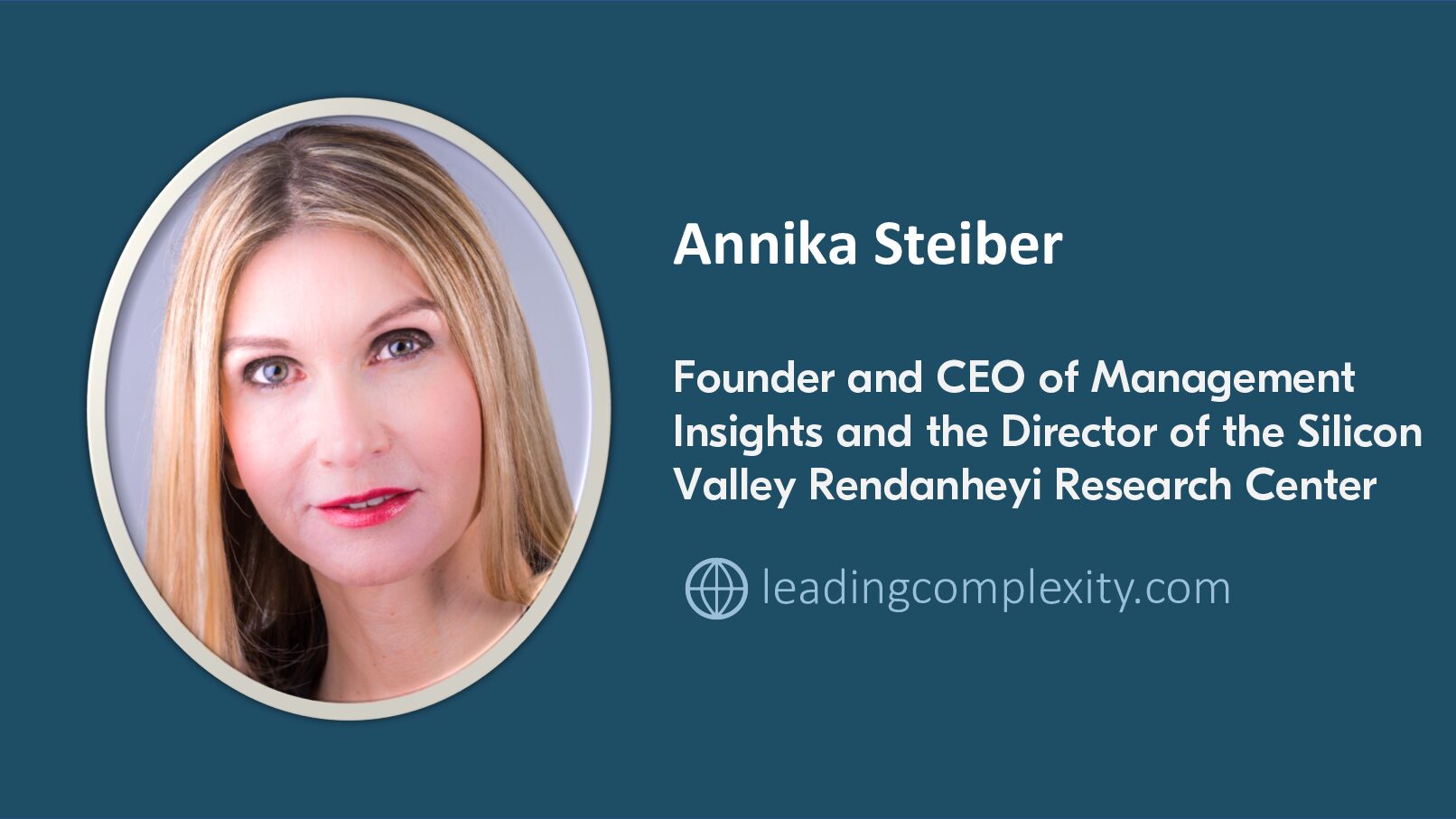
Interview with Dr. Annika Steiber about complexity
In our upcoming Leading Complexity program this fall, we are honored to host Dr. Annika Steiber as a speaker. With years of dedicated research into the success stories of Silicon Valley companies, Annika has delved deep into the common managerial models that drive their achievements. I recently had an enlightening conversation with Annika, gaining insights
Continue reading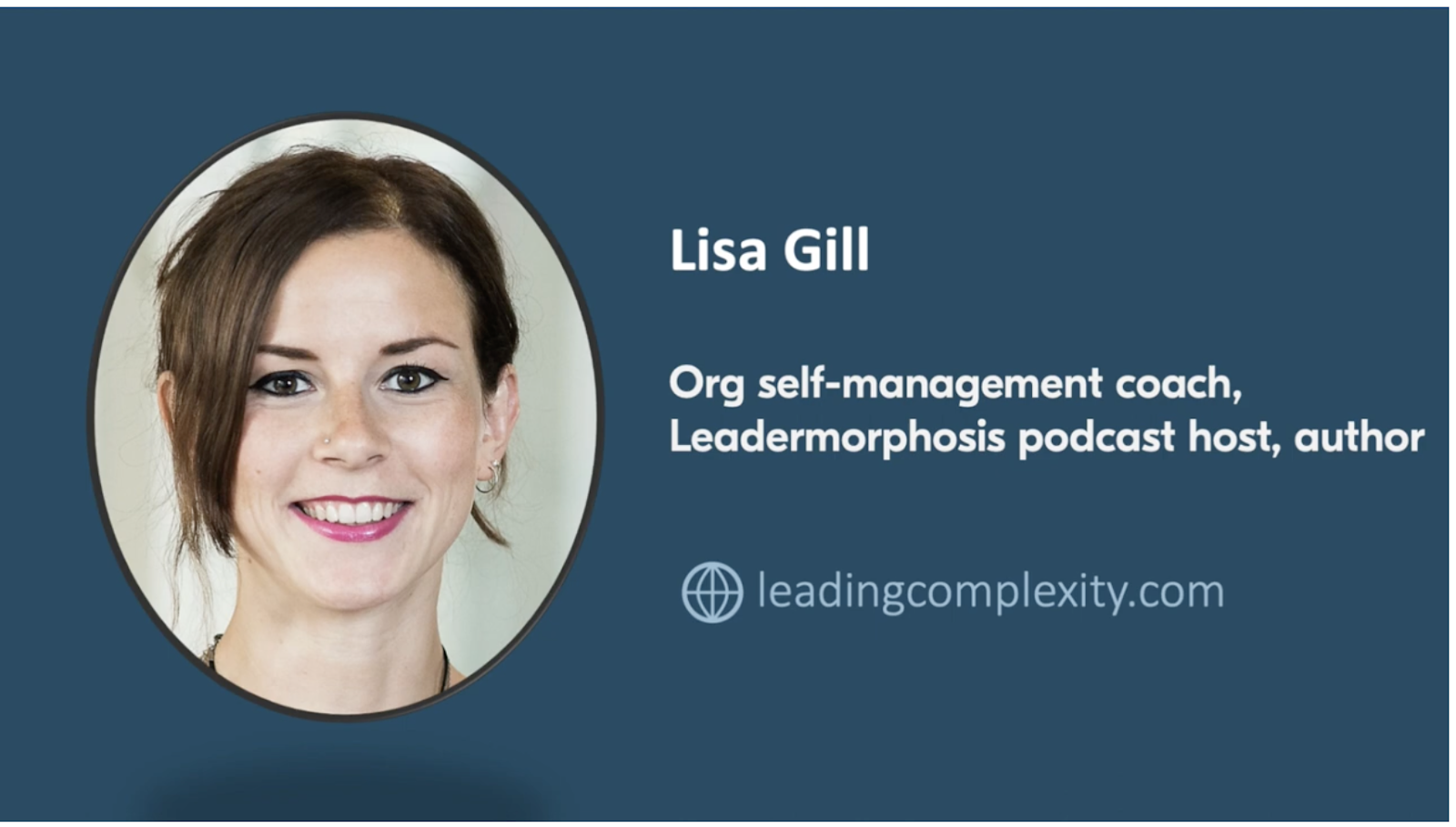
Summary of Lisa Gill’s session in the Leading Complexity Program 2022
The Transformative Power of Conscious Leadership Lisa Gill, renowned coach, and organizational consultant, is the next keynote speaker of the Leading Complexity series. In her intervention, she provides a deep dive into the challenges of contemporary leadership and the inner shifts needed for new ways of working to work. Drawing from her wealth of experience,
Continue reading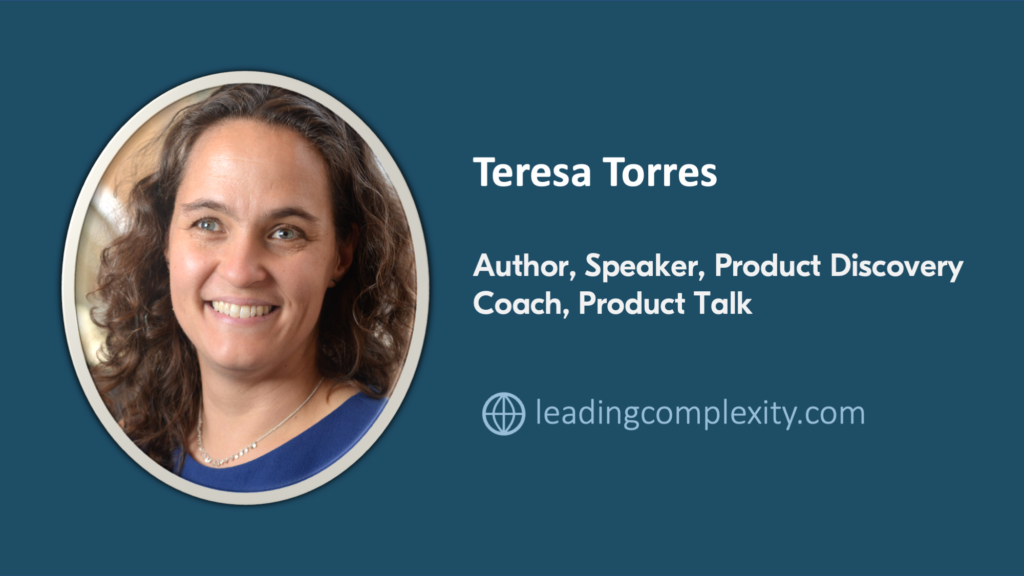
Teresa Torres about complexity and her session
We are fortunate to be able to present Teresa Torres as one of the speakers in this years program. Here is a short video of her talking about complexity and her upcoming session. Hi everyone, I am Teresa Torres. I work as a product Discovery coach. That means that I help digital product teams make
Continue reading